






Case Studies
Reliability:
turning technical knowledge into operational performance in agribusiness

Reliability:
turning technical knowledge into operational performance in agribusiness
Context: an operation that needed to evolve
A large agribusiness company faced a strategic challenge: raising the maturity level of its maintenance and asset management. Despite having robust and well-documented technical knowledge, the operation was not yet reaching its full potential in efficiency, reliability, and data-driven decision-making.
The objective was clear: to build a more productive operation, with greater control over assets and processes, reducing costs and establishing a solid culture of continuous improvement.
The problem: knowledge that never reached the front line
The organization already had a solid technical foundation — five structured modules backed by hundreds of pages of detailed documentation. But that knowledge wasn't translating into day-to-day practice.
The main obstacle lay in the way it was accessed and disseminated:
- Overly technical, hard-to-access content
- Frontline workers without regular access to computers
- An operation spread across two countries and two languages
- More than 1,200 people who needed training
The central challenge was to transform a large volume of technical information into applicable learning, capable of generating real impact on operational routines.
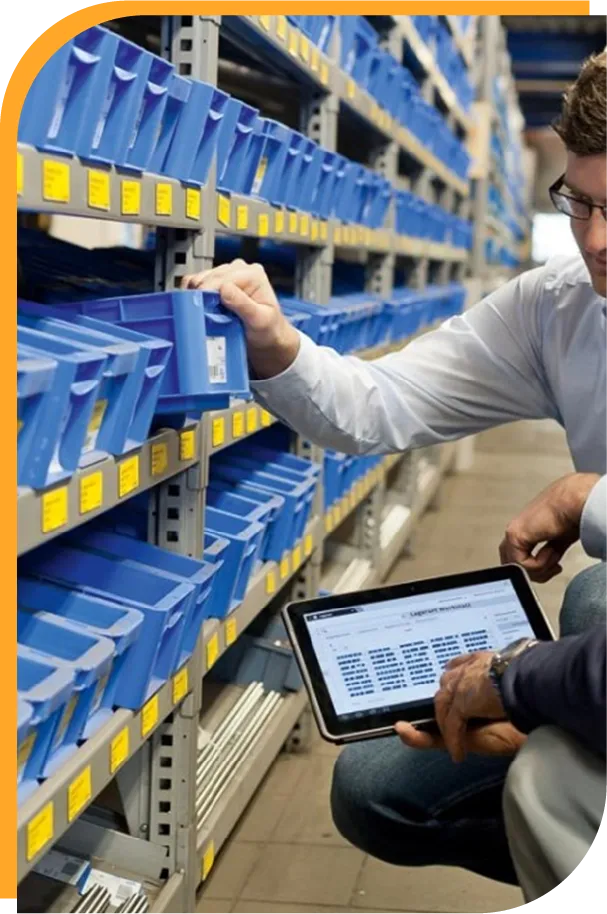
The solution: accessible, practical content grounded in the reality of the operation
The strategy was to convert existing technical knowledge into a structured learning journey — accessible and aligned with the frontline context.
All content was redesigned for clarity, applicability, and engagement, covering essential topics such as:
- Materials and inventory management
- Operational workflows
- How the equipment actually works
- Preventive and predictive maintenance best practices
- Performance indicators (KPIs)
- Real day-to-day situations on the plant floor
The result was a learning experience connected to the reality of the workforce, making knowledge easier to absorb and apply.
How we did it: a methodology geared to practical application
The rollout followed a structured approach focused on turning content into behavior:
The original material, dense and highly technical, was converted into clear, objective content geared towards practical application in the field.
Training content was produced 100% in video, using real footage from the operation to make learning practical, dynamic, and contextual. That brought the material closer to employees' daily routine, lifting engagement, retention, and overall effectiveness.
The program was organized into five core modules:
Inventory Management (IM)
Organizational Readiness (OR)
Work Management (WM)
Reliability Strategy (RS)
Performance Optimization (PO)
All content was made available in Portuguese and Spanish, ensuring standardization and consistency across the Brazilian and Argentine operations.
Each course ended with a technical assessment, confirming not just that the content was consumed, but that the knowledge stuck.
What made the difference
Several factors were crucial to the success of the initiative:
- Frontline focus: content designed for the people doing the work, not just the people planning it
- Contextual learning: real footage and real examples from the operation
- Accessibility: a format that fits operational reality, with no technology barriers
- International standardization: the same quality and approach across countries
- Real measurement of learning: validated through technical assessments
More than just a training project, this initiative represented a transformation in the way knowledge is shared and disseminated within the operation, promoting greater alignment, efficiency, and continuous development of the teams.
Results: scale, engagement, and proven learning.
The results demonstrate the concrete impact of the initiative:
Volume produced
- 88materials
- 5training modules
- 2languages (PT + ES)
- 2countries (BR + AR)
Reach
- +1,200people trained
- ~7,300enrollments
- ~6courses per person
- 100%frontline
Proven Learning
- 85/100average assessment score
- 94.7%pass rate
- 80 ptspassing score
- technical assessment at the end of each course
Beyond the reach figures, the main differentiator lies in the quality of learning: the knowledge was effectively assimilated, as proven by structured technical assessments.
Conclusion: From information to operational transformation
This case demonstrates that the challenge lies not only in generating knowledge, but in making it applicable, accessible, and scalable.
By transforming technical documentation into practical learning, the company was able to bridge the gap between strategy and execution, empowering its frontline workforce and creating the foundation for a more efficient, reliable, and data-driven operation.
More than just training people, the project enabled a consistent change in the way things are done, connecting knowledge to performance and business results.